Posted by: Jack Henry | June 8, 2018

Editor’s Corner: Error Haiku

One of you readers mentioned that you loved computer error haikus, so I thought I’d send this selection out to everyone. Happy Friday!

For those of you unsure of what exactly a haiku is, here’s a brief explanation. A haiku is a Japanese poem, with only three lines and seventeen syllables. It is formatted like this:

Line 1: Five syllables

Line 2: Seven syllables

Line 3: Five syllables

Traditional haiku bring to mind images of the natural world. These haiku also bring images to mind; unfortunately, they are generally sad images of the blue screen of death.

Chaos reigns within.
Reflect, repent, and reboot.
Order shall return.

Posted by: Jack Henry | June 7, 2018

Editor’s Corner: Hybrid Languages

Before you programmers get excited, this post about “hybrid languages” is not going to be about “a programming language that draws on elements from more than one programming paradigm” (Wikipedia). You’ll have to write that article yourself. If I did, you’d either laugh or pat my head in pity.

I want to discuss mixed languages (also known as interlanguages) that derive from two (or several) languages. There is some controversy about what constitutes a mixed language, but for the purposes of this conversation, I give you the example of Spanglish/Inglañol, a mix of Spanish and English that we hear a lot here in Southern California. Another example is Runglish/рунглиш, which was spoken between the English-speaking and Russian-speaking crew members aboard the International Space Station. And there are many others (see this article for a few more). Hybrid languages usually occur wherever there is a high level of bilingualism.

The idea for this topic came to me from a reader (thank you Susan M!), and then when I visited my dentist the other day, I had a fascinating first-had experience. My dentist, and the root canal specialist, and most of the office staff are Filipino-American. I was in the chair for quite a few hours and was mesmerized by the language I heard around me. What I heard was mostly Tagalog, but I heard many English words sprinkled in. I did some research and found that a name for this Filipino/English hybrid is Taglish. And I learned that the name Taglish is deceiving since many words in Tagalog derive from Spanish words, which were introduced when the Philippines was a Spanish colony. (Thanks Amber B. for the information!)

While researching, I found, not surprisingly, that these hybrid languages have served a vital purpose for people who are learning a new language and do not have a sufficient vocabulary. Hybrid languages have also been very beneficial when neither of the two languages alone allow a person to be understood or to satisfactorily share their thoughts and feelings. And one more important benefit of hybrid languages is that they allow speakers from two separate populations to speak in a new shared language to create a common identity or to form partnerships (like the American astronauts and the Russian cosmonauts at the International Space Station).

I hadn’t realized all the benefits of hybrid languages, and as an monolinguist, I’m envious of people who are able to speak more than one language, whether it’s hybrid or not.

Donna Bradley Burcher | Senior Technical Editor | Symitar®

8985 Balboa Ave. | San Diego, CA 92123 | Ph. 619.278.0432 | Extension: 765432

Symitar Documentation Services

NOTICE: This electronic mail message and any files transmitted with it are intended
exclusively for the individual or entity to which it is addressed. The message,
together with any attachment, may contain confidential and/or privileged information.
Any unauthorized review, use, printing, saving, copying, disclosure or distribution
is strictly prohibited. If you have received this message in error, please
immediately advise the sender by reply email and delete all copies.

Posted by: Jack Henry | June 6, 2018

Editor’s Corner: Pupils

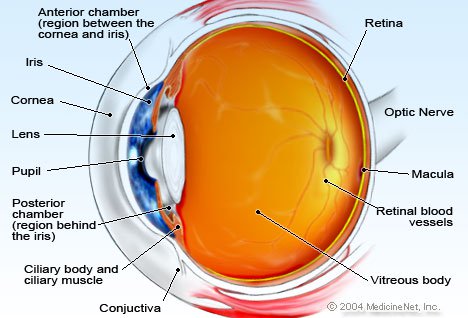
A couple weeks ago, I was lying on the operating table, waiting for the anesthesiologist to inject something in my arm to help relax me as I prepared for my fourth eye surgery. As I was lying there, I thought, “Hmm. I wonder if they go in through the pupil? I wonder if the pupil is just a hole? I wonder if there’s a connection between pupils in the eye, and pupils in a school?” Okay, maybe the anesthesia was already working.

A few days later, I woke up with the same questions (and an eye patch). Now that my vision is a little better and I’m not feeling so squeamish, I thought I’d look into this.

First, from Merriam-Webster:

  • pupil (1): a child or young person in school or in the charge of a tutor or instructor

etymology: Middle English pupille, from Middle French, from Latin pupillus male ward, pupilla female ward; Latin pupillus from diminutive of pupus boy; Latin pupilla from diminutive of pupa girl, doll, puppet; probably akin to Latin puer boy — more at puerile

  • pupil (2): the contractile aperture in the iris of the eye that is round in most vertebrates

etymology: Middle French pupille pupil of the eye, from Latin pupilla, from diminutive of pupa girl, doll, puppet; from the tiny image of oneself seen reflected in another’s eye

Ah, so they are related! I wasn’t satisfied with the definition, however, and wanted to have a look at the anatomy of the eyeball. I cleverly searched for the following: “Is the pupil just a hole in your eye?” Here’s what I found on Wikipedia, along with some other cool information while surfing around:

The pupil is a hole located in the center of the iris of the eye that allows light to strike the retina.It appears black because light rays entering the pupil are either absorbed by the tissues inside the eye directly, or absorbed after diffuse reflections within the eye that mostly miss exiting the narrow pupil.

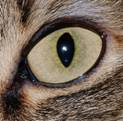
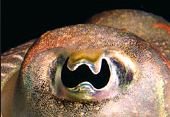
And some interesting pupil pics:

Human

Cat

Goat

Cuttlefish

Kara Church

Technical Editor, Advisory

Symitar Documentation Services

Posted by: Jack Henry | June 5, 2018

Editor’s Corner: Mews

Flowers are growing, vegetables are ripening, fruit trees are blossoming—what better time to return to the discussion of greens? A few months ago, we talked about Pocket Parks, those sweet little patches of trees, plant, or jungle-gyms that people fit into tiny city blocks.

Well, one of you faithful readers sent me a link to something similar: mews. Here is the Google definition and etymology:

(British)

noun: mews; plural noun: mews

  1. a row or street of houses or apartments that have been converted from stables or built to look like former stables.
  2. a group of stables, typically with rooms above, built around a yard or along an alley.

Origin

late Middle English: plural of mew2, originally referring to the royal stables on the site of the hawk mews at Charing Cross, London. The sense “converted dwellings” dates from the early 19th century.

And of course, some photos to go with it:

Kara Church

Technical Editor, Advisory

Symitar Documentation Services

Posted by: Jack Henry | June 4, 2018

Editor’s Corner: 100 Words for Facial Expressions

Although much of our communication is written, we also communicate in person and that can include nonverbal communication (facial expressions, posture, eye contact, body movements, etc.). It’s equally important to control the message you’re conveying without ever saying a word.

This list of descriptive terms for facial expressions is from Daily Writing Tips.

1. Absent: preoccupied
2. Agonized: as if in pain or tormented
3. Alluring: attractive, in the sense of arousing desire
4. Appealing: attractive, in the sense of encouraging goodwill and/or interest
5. Beatific: see blissful
6. Bilious: ill-natured
7. Black: angry or sad, or see hostile
8. Bleak: see grim and hopeless
9. Blinking: surprise, or lack of concern
10. Blissful: showing a state of happiness or divine contentment
11. Blithe: carefree, lighthearted, or heedlessly indifferent
12. Brooding: see anxious and gloomy
13. Bug eyed: frightened or surprised
14. Chagrined: humiliated or disappointed
15. Cheeky: cocky, insolent
16. Cheerless: sad
17. Choleric: hot-tempered, irate
18. Coy: flirtily playful, or evasive
19. Crestfallen: see despondent
20. Darkly: with depressed or malevolent feelings
21. Deadpan: expressionless, to conceal emotion or heighten humor
22. Dejected: see despondent
23. Derisive: see sardonic
24. Despondent: depressed or discouraged
25. Doleful: sad or afflicted
26. Dour: stern or obstinate; see also despondent
27. Downcast: see despondent
28. Dreamy: distracted by daydreaming or fantasizing
29. Ecstatic: delighted or entranced
30. Etched: see fixed
31. Faint: cowardly, weak, or barely perceptible
32. Fixed: concentrated or immobile
33. Furtive: stealthy
34. Gazing: staring intently
35. Glancing: staring briefly as if curious but evasive
36. Glaring: see hostile
37. Glazed: expressionless due to fatigue or confusion
38. Gloomy: see despondent and sullen
39. Glowering: annoyed or angry
40. Glowing: see radiant
41. Grim: see despondent; also, fatalistic or pessimistic
42. Grave: serious, expressing emotion due to loss or sadness
43. Haunted: frightened, worried, or guilty
44. Hopeless: depressed by a lack of encouragement or optimism
45. Hostile: aggressively angry, intimidating, or resistant
46. Hunted: tense as if worried about pursuit
47. Impassive: see deadpan
48. Inscrutable: mysterious, unreadable
49. Jeering: insulting or mocking
50. Languid: lazy or weak
51. Leering: see meaningful; also, sexually suggestive
52. Meaningful: to convey an implicit connotation or shared secret
53. Mild: easygoing
54. Mischievous: annoyingly or maliciously playful
55. Moody: see sullen
56. Pained: affected with discomfort or pain
57. Pallid: see wan
58. Peering: with curiosity or suspicion
59. Peeved: annoyed
60. Petulant: see cheeky and peeved
61. Pitying: sympathetic
62. Pleading: seeking apology or assistance
63. Pouting: see sullen
64. Quizzical: questioning or confused
65. Radiant: bright, happy
66. Roguish: see mischievous
67. Sanguine: bloodthirsty, confident
68. Sardonic: mocking
69. Scornful: contemptuous or mocking
70. Scowling: displeased or threatening
71. Searching: curious or suspicious
72. Set: see fixed
73. Shamefaced: ashamed or bashful
74. Slack-jawed: dumbfounded or surprised
75. Sly: cunning; see also furtive and mischievous
76. Snarling: surly
77. Sneering: see scornful
78. Somber: see grave
79. Sour: unpleasant
80. Stolid: inexpressive
81. Straight-faced: see deadpan
82. Sulky: see sullen
83. Sullen: resentful
84. Taunting: see jeering
85. Taut: high-strung
86. Tense: see taut
87. Tight: see pained and taut
88. Unblinking: see fixed
89. Vacant: blank or stupid looking
90. Veiled: see inscrutable
91. Wan: pale, sickly; see also faint
92. Wary: cautious or cunning
93. Wide eyed: frightened or surprised
94. Wild eyed: excited, frightened, or stressful
95. Wistful: yearning or sadly thoughtful
96. Withering: devastating; see also wrathful
97. Woeful: full of grief or lamentation
98. Wolfish: see leering and mischievous
99. Wrathful: indignant or vengeful
100. Wry: twisted or crooked to express cleverness or a dark or ironic feeling

Jackie Solano | Technical Editor | Symitar®

8985 Balboa Ave. | San Diego, CA 92123 | Ph. 619.542.6711 | Extension: 766711

Symitar Documentation Services

Posted by: Jack Henry | June 1, 2018

Editor’s Corner: Why the capital I?

Dear Editrix,

Why do we capitalize the letter “I”? Is this something they do in other languages? Or do we English speakers just have big egos when we are writing about ourselves?

Sincerely,

Visualizing in Ventura, Always

Dear VIVA,

What an interesting question! It never seemed odd to me that we would capitalize the pronoun “I,” yet it doesn’t follow any rules of capitalization. I found an article on Dictionary.com about this topic that I’d like to share with you. Be careful, though. If you follow the link you may lose yourself in other fascinating articles such as “Why do we capitalize letters at all?” (Though if you are into calligraphy you definitely want to check it out because it talks about the uncial alphabet.)

Here is your answer for “I.”

Why do we capitalize the first-person pronoun, I? The short answer is because we do. But that’s not a very satisfactory answer. Even though it feels natural to English speakers, capitalizing I is unusual. In fact, English is the only language that does. Germanic and Romantic languages typically have some conventions for capitalizing proper nouns, like Deutschland (in German) or Place de la Concorde (in French), but English is the only one that selfishly insists on capitalizing the personal pronoun. We do not, you will recall, even capitalize we.

(Wondering why we capitalize letters at all? Learn the full story here.)

It turns out that this unusual convention was a bit of an accident. In Old and Middle English, the word for “I” was closer to its German cousin, “ich,” and it was often spelled “ic.” At this point, the word was not capitalized. However, the pronunciation changed over time and so did the spelling, losing the consonant c.

At first, the new word, i, was left lowercase. However, it began to grow taller than other words. It grew for a silly reason: a single letter looks bad. Look at it: i. How sad. By the time Chaucer wrote The Canterbury Tales in the late 1300s, I, the personal pronoun, was slightly taller than its lowercase equivalent. From that point on, it was typically capitalized.

The only other accepted single-letter word in English, a, is a larger presence on the page. Its appearance isn’t as offensive as the thin i.

From the Book of Kells. Written in an Irish uncial script.

Kara Church

Technical Editor, Advisory

Symitar Documentation Services

There is a common mistake people make in relation to “tense” (past, present, or future) in a sentence. This mistake occurs when a sentence is written about something that happened in the past, but it involves something that remains true or important in the present. In cases like this, people make the mistake of making all verbs in the sentence past tense, but that’s not always the right thing to do.

Each verb in a sentence should reflect the tense that is appropriate for the specific phrase. I think an example will help.

The tense of one of the verbs in the following sentence is incorrect:

  • The industry has grown quickly and has made valiant efforts to ensure that individual companies had a firm financial strategy in place.

The incorrect verb in that sentence is had. The goal of the industry is to ensure that companies continue to have a firm financial strategy. The goal is ongoing. So even though the industry has already “made valiant efforts,” they still have a firm financial strategy. The correct verb is have.

  • The industry has grown quickly and has made a valiant effort to ensure that individual companies have a firm financial strategy in place.

Let’s look at another sentence with another incorrect verb:

  • They spent all their lottery winnings without realizing what was involved in good financial planning.

The incorrect verb in this sentence is was. Good financial planning continues to be necessary. It didn’t stop being important. So, even though spent is a past tense verb, the verb was should be changed to is.

  • They spent all their lottery winnings without realizing what is involved in good financial planning.

Even when you’re talking about something that already happened, if you’re including information that is ongoing or that is still true, you need to use present tense when it is appropriate.

Donna Bradley Burcher | Senior Technical Editor | Symitar®

8985 Balboa Ave. | San Diego, CA 92123 | Ph. 619.278.0432 | Ext: 765432

Posted by: Jack Henry | May 30, 2018

Editor’s Corner: Horses

Pony boy, pony boy,

Won’t you be my pony boy?

No? Okay fine. I still have a couple of horse-related sayings for you. The first one, from The Grammarist, is “straight from the horse’s mouth.”

Straight from the horse’s mouth describes information that has been received directly from a source of authority and has not been interpreted or diluted by a middleman. It is a source that may be trusted implicitly. The idiom straight from the horse’s mouth seems to have been coined around the turn of the twentieth century, used at first in horse racing circles. The idea is that a racing tip has been received from the race horse himself. Some believe that the phrase relates to checking the teeth of a horse to see what sort of physical shape the horse is in, and whether he is capable of winning a race. Today, the idiom is used in a wide variety of situations to mean learning information from an impeccable source. Note that the word horse’s is a possessive noun, and therefore requires an apostrophe before the s.

The second gift is a proverb from our equine friends is “don’t look a gift horse in the mouth.” Honestly, after looking at this picture, I sure wouldn’t dare look a horse in the mouth whether he was a gift or not. According to The Phrase Finder, here is the background on this familiar phrase, which means “don’t be ungrateful when you receive a gift.”

Proverbs are “short and expressive sayings, in common use, which are recognized as conveying some accepted truth or useful advice.” This example, also often expressed as “never look a gift horse in the mouth,” is as pertinent today as it ever was.

As horses develop they grow more teeth and their existing teeth begin to change shape and project further forward. Determining a horse’s age from its teeth is a specialist task, but it can be done. This incidentally is also the source of another teeth/age related phrase— long in the tooth.

The advice given in the “don’t look…” proverb is: when receiving a gift be grateful for what it is; don’t imply you wished for more by assessing its value.

As with most proverbs, the origin is ancient and unknown. We have some clues with this one however. The phrase appears in print in English in 1546, as "don’t look a given horse in the mouth", in John Heywood’s A dialogue conteinyng the nomber in effect of all the prouerbes in the Englishe tongue, where he gives it as:

"No man ought to looke a geuen hors in the mouth."

Kara Church

Technical Editor, Advisory

Symitar Documentation Services

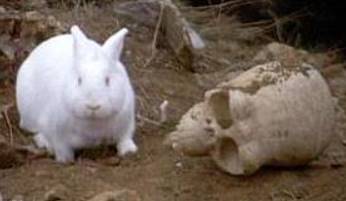
I’m not sure where I heard or saw the word aiguillette, but a few days after I looked it up, one of you intelligent readers sent me an email mentioning the term. Today, I decided to follow the white rabbit through the dictionary and etymology rabbit holes and see where I’d end up. Here is the tale of my trail, with Merriam-Webster at my side.

aiguillette

noun ai·guil·lette ˌā-gwi-ˈlet

specifically: a shoulder cord worn by designated military aides

mid-16th century: from French, literally ‘small needle,’ diminutive of aiguille.

Apparently, there is some kind of meat also referred to as an aiguillette, or else there are some crazy people posting photos and mismarking them. I saw cows, sausages, bird-like meat…honestly, I’m not sure what was going on. Anyway, here is a photo of the military shoulder cord, with the “small needles” at the very end.

aglet

noun ag·let ˈa-glət

1: the plain or ornamental tag covering the ends of a lace or point

2: any of various ornamental studs, cords, or pins worn on clothing

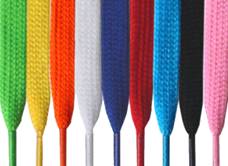
The English word aglet is from the French word aiguillette (above). These not-so-ornamental laces should look familiar to you. This, at the end of the shoe lace, is what we refer to as an aglet:

fourragère

noun four·ra·gère ˌfu̇r-ə-ˈzher

:a braided cord worn usually around the left shoulder; especially : such a cord awarded as a decoration to a military unit

Most of the fourragères look similar to the aiguillettes, but the majority of the photos were of a single cord and a less fancy look. Wikipedia provides this information:

“As a regimental distinction the fourragère should not be confused with the aiguillette (distinctive insignia of the aide-de-camp) which was introduced by Napoleon I and which it closely resembles (the aiguillette is merely a golden fourragère).”

And this is where the bunny and I gave up and got back to editing!

Kara Church

Technical Editor, Advisory

Symitar Documentation Services
Posted by: Jack Henry | May 25, 2018

Editor’s Corner: Percent and Percentage

Someone recently asked if the words percent and percentage can be used interchangeably. We typically use the word percent with a number and the word percentage when a number is omitted.

  • There was an 8 percent increase in attendance these year.

Per the JHA Style Guide for Technical Communication and Training, use a numeral with the word percent, even if it is less than 10 (this is an exception to the rule of spelling out numbers zero through nine and using numerals for 10 and greater).

  • What percentage of the students passed the class?

Now, you may be wondering when to use the word percent and when to use the % symbol. In technical and scientific writing, we commonly use the % symbol (no space between the numeral and symbol). In nontechnical writing, the word percent is commonly used. Whether you use the symbol or the word depends on what kind of documentation you are writing.

Jackie Solano | Technical Editor | Symitar®

8985 Balboa Ave. | San Diego, CA 92123 | Ph. 619.542.6711 | Extension: 766711

Symitar Documentation Services

NOTICE: This electronic mail message and any files transmitted with it are intended
exclusively for the individual or entity to which it is addressed. The message,
together with any attachment, may contain confidential and/or privileged information.
Any unauthorized review, use, printing, saving, copying, disclosure or distribution
is strictly prohibited. If you have received this message in error, please
immediately advise the sender by reply email and delete all copies.

« Newer Posts - Older Posts »

Categories