Hello and welcome!
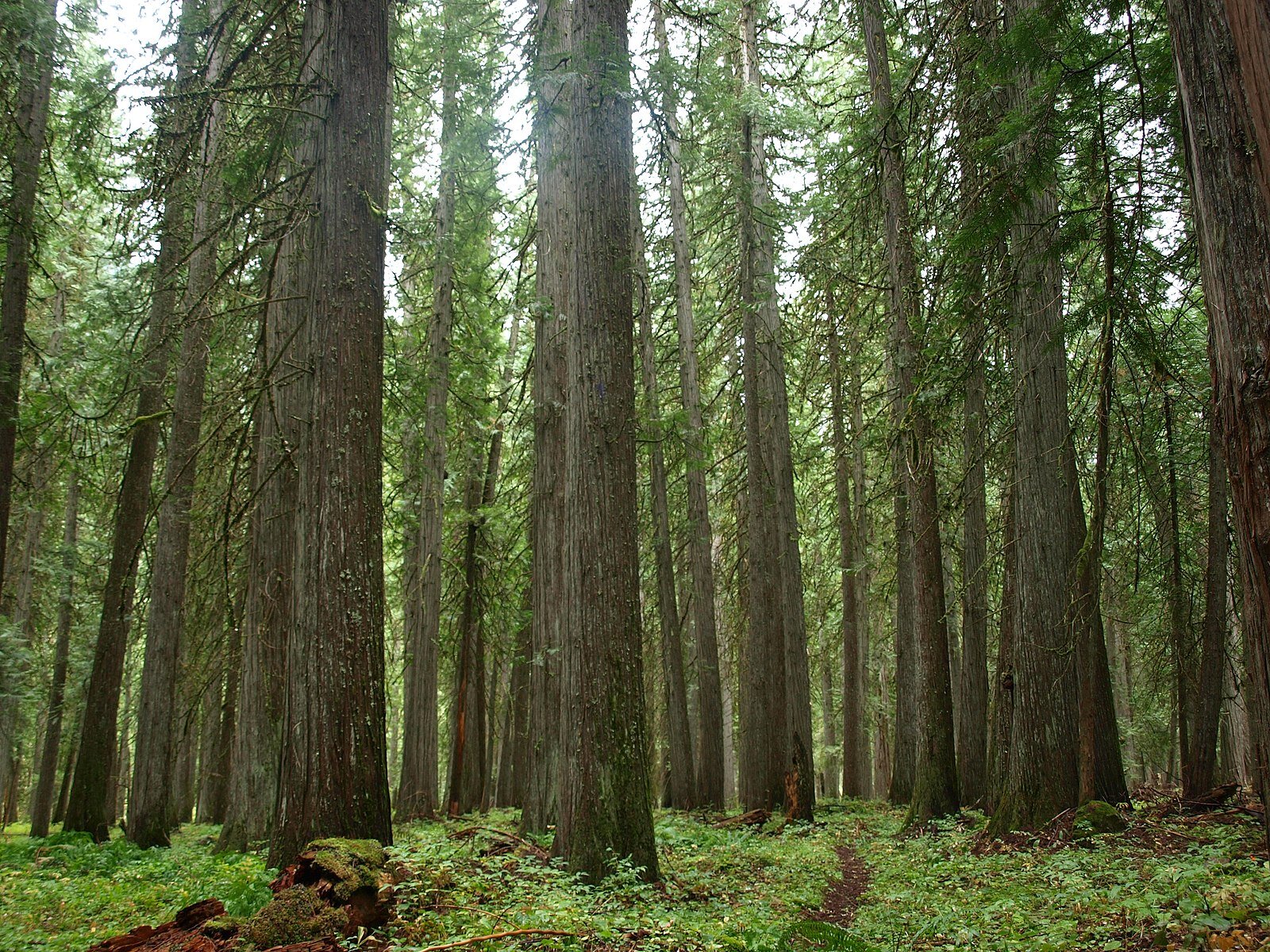
Before I get started with states, I’d like to announce something. No, I’m not having a baby…that ship has sailed. This month Jack Henry is matching associate donations to the National Forest Foundation , a non-profit dedicated to conservation work and forest resilience projects in our national forests. Last year we raised $5,000, which resulted in a match from Jack Henry, and we were able to help plant 10,000 baby trees!
You can make a donation via a one-time voluntary payroll deduction, and JH will match your contribution dollar for dollar! Think about what makes your home beautiful and donate some money to the cause!
Okay, back to the Editor’s Corner. We still have a couple of days left where we look into the etymology of our state names. I was thinking of only doing those where we have employees, but I seem to remember hearing that Jack Henrians are everywhere! Continued from Thesarus.com, the penultimate list of states:
Nebraska
Like many states, Nebraska‘s name comes from the Native American name for a major river in the territory. In this case, Nebraska comes from the Otos word nebrathka, meaning “broad or flat water,” referring to the Platte River. Platte means “flat” in French.
Nevada
When the Spanish arrived on the West Coast in the mid-18th century, they named the mountains they saw the Sierra Nevadas or “snow-covered mountains,” because that’s what they were. The nearby region they simply called Nevada for short. The name stuck.
New Hampshire
The name New Hampshire is a reference to, well, “Old” Hampshire, a county in England. Captain John Mason named the region New Hampshire after Hampshire, England. The name Hampshire itself comes from the Old English Hamtur, meaning “village town.”
New Jersey
Like New Hampshire, New Jersey makes tacit reference to an “Old” Jersey. In this case, the reference is to the Isle of Jersey, an island in the English Channel. In 1649, the governor of the Isle of Jersey, Sir George Carteret, was given land in the New World by King Charles II. The land was named New Jersey in honor of Sir Carteret. It is not clear where the original name Jersey itself comes from, however.
New Mexico
The name the Spanish gave the lands north of the Rio Grande was Nuevo México, or New Mexico in English. According to historians, the Spanish conquistadors thought of this region as a symbolic part of the homeland of the Aztec people (sometimes known as the Mexica). The name Nuevo México actually predates the country of Mexico, which was founded in 1821. The name Mexico itself is of disputed origin, but it’s said to come from expressions in the Nahuatl language, spoken by the Aztecs.
New York
New York, New York used to be named New Amsterdam, New Netherlands. But when the British acquired the land from the Dutch in 1664, they renamed it New York after James Stuart, Duke of York, who later became King James II. York itself comes from the Old English Eoforwíc, of disputed meaning.
North Carolina
The Carolina part of North Carolina doesn’t refer to a lady named Carol but rather to King Charles I of the United Kingdom who made the original land grant to form the colony in 1629. The Latin form of Charles is Carolus, and the territory was originally referred to as Carolana. Later, in 1663, under King Charles II, it was named Carolina definitively. When the territory was split in 1710, the northern part was duly renamed North Carolina.
North Dakota
The name Dakota comes from the name of the Dakota tribe, one of three tribes commonly referred to as Sioux. It means “friendly people” or “allies” in the Dakota language. In 1861, the Dakota Territory was formed. After a dispute over the location of the state capital, the territory was split in two in 1889. The northern part of the state is North Dakota.
Ohio
The origins of the name Ohio are murky and disputed. The most common theory states that Ohio comes from an Anglicized version of an Iroquois word meaning “great river,” which referred to the Ohio River that shares the state’s name.
Oklahoma
The word Oklahoma comes from the combination of two Choctaw words: okla, meaning “people,” and humma. While humma is often translated to mean “red,” as in “red people,” it is also used as an honorific title for men who are called to be courageous in the Choctaw language. Oklahumma was Anglicized to Oklahoma when it became a U.S. territory.
Oregon
The origin of the name Oregon has been lost to history. It was first attested by British Major Robert Rogers in 1765 in a petition to King George III. Major Rogers writes that there is a river called Ouragon by the Native Americans. However, what tribe or language this may have been or what the name may have meant is unknown to this day.
Pennsylvania
The name Pennsylvania is a tribute from William Penn to his father, Admiral William Penn. The younger Penn was given the land grant to the territory by the King of England and named it after his dad, although he originally simply wanted to name it Sylvania. Sylvania comes from the Latin for “forest lands” or “woods.” Pennsylvania is often translated as “Penn’s Woods.”
Kara Church | Technical Editor, Advisory | Technical Publications
Pronouns: she/her | Call via Teams | jackhenry.com
Editor’s Corner Archives: https://episystechpubs.com/
 Editor's Corner
Leave a comment