A friend of Editor’s Corner sent me an article from The New York Times about children’s books, the opener was this:
The Threads That Bind Us
A boy embroiders the moon, a girl makes coats for canines, and a knitted-cape crusader saves the day.
I read a little bit more:
Tao Nyeu’s The Legend of Iron Purl is more fanciful [KC – More fanciful than the precious book in this article], its young forest animals riveted by Granny Fuzz’s tales of a caped crusader whose weapon of choice is knitting. Don’t scoff: It’s no weirder than a superhero who slings spider webs. Purl’s identity is concealed by a hand-knit hooded cape, and her utility belt includes yarn and knitting needles. While Bandit Bob is a tepid villain, the “Busy World”-style illustrations are fun, and I appreciated the big reveal: Purl is Granny Fuzz! It’s subversive, one might say crafty, to cast an older woman, whose invisibility is rarely deemed a superpower, as a crack crime-fighter.
I was sold. Those of you who know me know that I love to knit. I learned at public school when I was eight and I’ve been doing it since. Maybe a little less in San Diego—Seattle was more suited to scarves and hats and blankets—but it’s one of my favorite hobbies.
But today’s topic isn’t knitting. It is from the subtitle of the article. Today we’re going to have a look at English terms related to the textile industry.
From The George Washington University Museum:
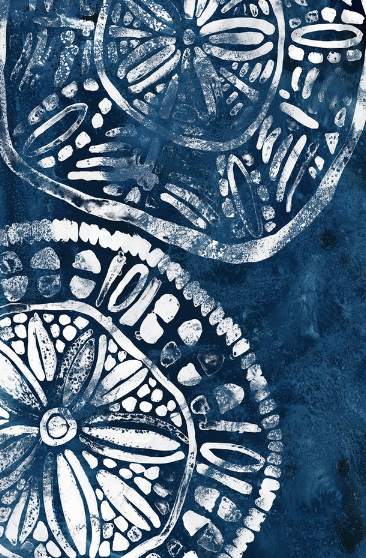
Batik: Indonesian term for the wax-resist dyeing process, or a fabric patterned with this process. Such fabrics reached fantastic heights of virtuosity on the island of Java in Indonesia in the late-19th and early-20th centuries after the introduction of machine-made cotton fabrics permitted more finely controlled designs.
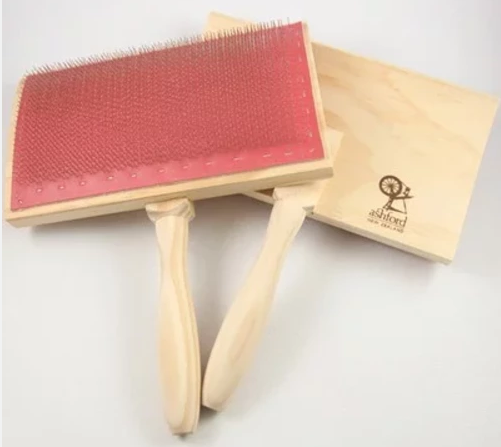
Carding: A method of preparing fibers for spinning. It is used to even out the density of short fibers, most often wool, by laying them on the teeth of a wire brush (called a card) and scraping them with another matching wire brush. Cards with metal teeth are first recorded in Europe in the 13th century.
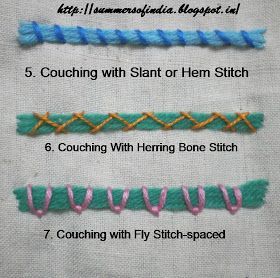
Couching: A patterning process in which a yarn or object is attached to the surface of a fabric with one or more stitches. [KC – Like embroidery.]
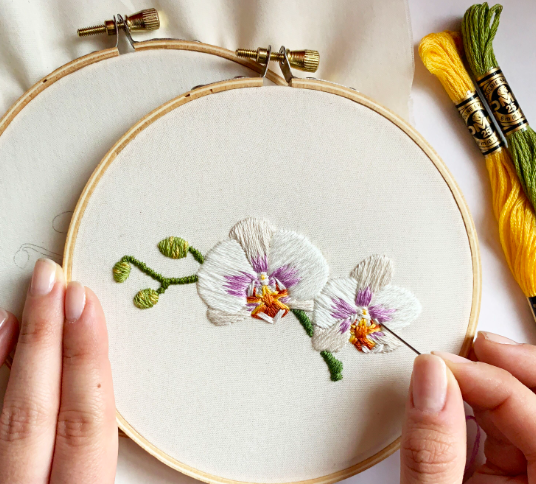
Embroidery: The embellishment of fabrics by means of needle-worked stitches. An extensive variety of stitches and materials are used in embroidery. [KC – In embroidery, the thread is referred to as “floss.”]
Felt: A fabric made of loose, haphazardly arranged wool fibers, which have surface scales that stick to each other as a result of the felt-making process. In Central Asia, nomadic peoples live in circular tents called yurts, the roofs and walls of which are covered in felt.
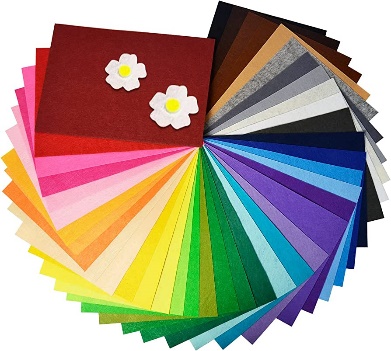
KC – I learned how to make felted purses and slippers and other items from yarn. It was so addictive, I broke my washing machine’s clutch and ended up finishing the job on the stove. (My husband asked what stinky thing I was cooking for dinner.) The process of heating the wool in water makes it shrink and thicken so that it resembles the texture of the felt squares (above) rather than the original texture—something more like a knit scarf. It’s like magic!
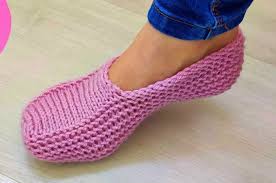
knit
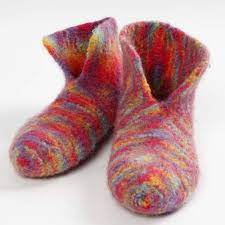
knit and felted
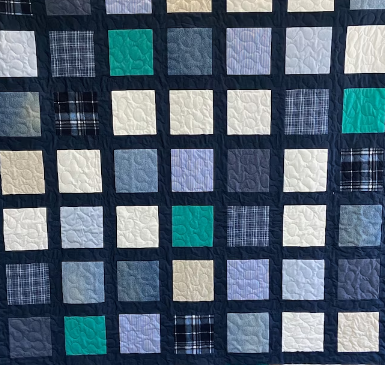
Piecing: The joining of pieces of fabric to make a larger textile. The top layer of “patchwork” American quilts is pieced before being quilted.
Spindle: A narrow tapered stick that is twirled in the spinning process, and onto which the spun yarn is wound. Hand spindles usually have a weight, or whorl, to help provide momentum.
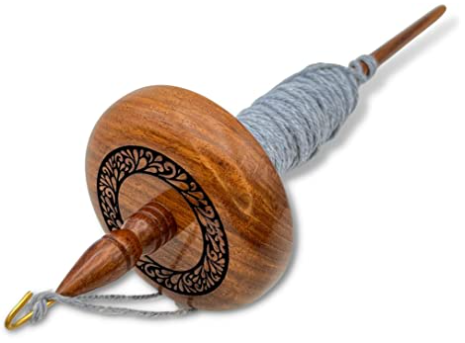
whorl drop spindle
This is just a handful of terms related to textiles. For more, see the website above, The George Washington University Museum.
Jolie, thank you for the topic suggestion!
Kara Church | Technical Editor, Advisory | Technical Publications
Pronouns: she/her | Call via Teams | jackhenry.com
Editor’s Corner Archives: https://episystechpubs.com/
 Editor's Corner
Leave a comment