It’s been a while since I introduced you to a new rhetorical device. Today’s term is antanaclasis. Merriam-Webster defines it as: “The repetition of a word within a phrase or sentence in which the second occurrence utilizes a different and sometimes contrary meaning from the first.” From a site called LitCharts, I found this additional information:
- Antanaclasis derives from the Greek word, "antanáklasis," which literally translates to "reflection."
- Antanaclasis, with its focus on multiple meanings of the same word or phrase, is a form of pun.
Writers use antanaclasis for a variety of reasons:
- To spark an ironic play on words or make a joke.
- To make a slogan, catchphrase, or line more memorable.
- To create a rhythm through repetition that sticks in the listener’s head, much like in a song’s chorus.
- To use the pithiness and wit of antanaclasis to convince others of an argument, especially as a concluding line (as in Ben Franklin’s "We must all hang together, or assuredly we shall all hang separately).
- To contrast and emphasize the two different meanings of the repeated word in a way that can emphasize either comedy or tragedy.
This sounds a lot like anadiplosis which we discussed some weeks ago. I like this better because it mentions puns. Sometimes literature gets a little stuffy. Here are some examples from antanaclasis from the website mentioned above.
| 📜 Source | 📝 Example | 💡 Meaning Shift |
| Shakespeare, Henry V | “To England will I steal, and there I’ll steal.” | First “steal” = sneak away; second = commit theft. |
| Robert Frost, Stopping by Woods on a Snowy Evening | “And miles to go before I sleep, / And miles to go before I sleep.” | First “sleep” = rest; second = death. |
| Vince Lombardi | “If you aren’t fired with enthusiasm, you will be fired with enthusiasm.” | First “fired” = filled with energy; second = dismissed from a job. |
| Coca-Cola slogan | “People on the go… go for Coke.” | First “go” = busy, active; second = choose or reach for. |
| Walter Savage Landor | “He strikes all things, all alike, / But bargains: those he will not strike.” | First “strike” = hit or kill; second = make a deal. |
Okay, none of the puns are hilarious, but some are clever. If you’d like to see more examples and explanations, they’re available at LitCharts.
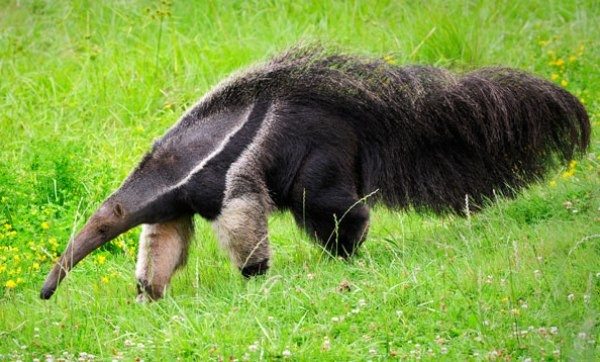
And antanaclasis’s brother, anteater. Look at that fancy fur!
Kara Church | Technical Editor, Advisory | Knowledge Enablement
Pronouns: she/her | Call via Teams | jackhenry.com
Editor’s Corner Archives: https://episystechpubs.com/
 Editor's Corner
Leave a comment