Hey folks, I have another few interesting word origins for you from Merriam-Webster. I selected these from an article called More Words with Remarkable Origins. I didnt find all of the words remarkable, so youre only getting 40 percent. No, Im (sort of) kidding. Here you go!
cappuccino
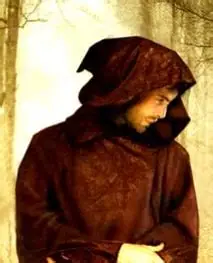
The richness of espresso topped with frothy milk might not suggest a Catholic order devoted to poverty, but there’s a connection between cappuccino and the Capuchin monks.
Members of that austere 16th century order wore a notably long and pointy hood, called a capuche. This earned them first the nickname, and then the formal name, Capuchin.
The brown shade of that hood inspired the name of the coffee drink around the turn of the 20th century.
limelight
Limelight – meaning "the center of public attention" – began as a dazzling and dangerous special effect.
In the early 19th century, a scientist discovered that forcing a combination of oxygen and hydrogen through a pipe to ignite a lump of hot limestone (quicklime) created a brilliant illumination.
After another engineer refined that technique, the resulting limelight soon appeared on stages worldwide as an early spotlight on individual performers. But the brilliance of the limelight was matched by its danger: it was highly flammable.
By the end of the 19th century, limelight faded from literal center stage but kept its figurative "center stage" meaning.
khaki
During India’s first War of Independence in 1857, the British military wore uniforms shaded a light yellowish brown.
How would you describe that shade? The locals called it khaki, which in Hindi and Urdu means "dust-colored."
(These days, of course, pants often called "khakis" come in a range of colors other than dusty brown.)
juggernaut
A juggernaut is something (such as a force, campaign, or movement) that is huge and powerful and can’t be stopped.
The word rolled into English with a fairly terrifying image.
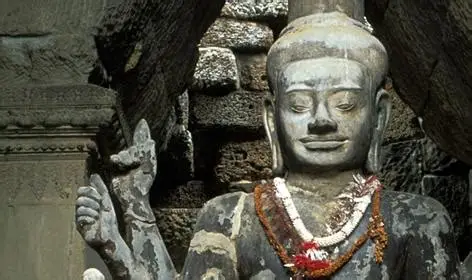
It comes from Jagannh (Hindi for "Lord of the World"), the title of the Hindu god Vishnu. According to some exaggerated but widespread reports dating back to the 14th century, during parades in India, devotees of Vishnu would sacrifice themselves by being crushed beneath the wheels of carriages carrying images of Vishnu.
Kara Church | Technical Editor, Advisory | Knowledge Enablement
Pronouns: she/her | Call via Teams | jackhenry.com
Editors Corner Archives: https://episystechpubs.com/
 Editor's Corner
Leave a comment