A few weeks ago, I received an email from A.Word.A.Day with the title Lycanthropy. Well, Ive been encouraged by a husband or two, to watch a few werewolf, vampire, alien, Godzilla, hobbit, etc., movies in my time, so I knew a lycanthrope was a werewolf. I think its a good time to look at a few more animal delusion words from the Lycanthropy article, and some more terms and etymologies from my beloved Online Etymology Dictionary.
lycanthropy (noun)
1. A delusion that one has transformed into a wolf.
2. The process of or ability to transform into a wolf.
From Greek lykos (wolf) + -anthropy (human). Earliest documented use: 1584.
cynanthropy (noun)
A delusion in which one believes oneself to be a dog.
From Greek kyon (dog) + -anthropy (human). Earliest documented use: 1594.
And then A.Word.A.Day offers a few more with just the word and the type of animal youd be transforming into:
- boanthropy: cow or ox
- cervanthropy: deer
- hippanthropy: horse
- zoanthropy: animal
The author ends the article, but thats where I decided to continue a bit with some other words we might hear in the news or community. These are from me and the etymology site (above) with a little editing to match the previous formatting.
philanthropy (noun): goodwill to fellow members of the human race
especially : active effort to promote human welfare
From Greek phil (loving) + anthros (mankind)
philogyny (noun)
Love or admiration of women
From Greek phil (loving) + gyn/i> (woman) From 1620
And since were looking at phil- lets have a look at Philadelphia!
Philadelphia (noun)City in Pennsylvania between the Delaware and Schuylkill rivers
From Greek, taken by William Penn to mean "brotherly love."
From philos "loving" (see philo-) + adelphos "brother"
misanthropy (noun)
Hatred of mankind
From Greek misos (hatred) + anthropos (man). Earliest documented use: 1683.
misogyny (noun)
Hatred of women
From Greek miso- (hatred) + gyn/i> (woman). From 1650.
apanthropy (noun)
A desire to be away from people; a love of solitude.
From Greek apo- (away) + -anthropy (human). Earliest documented use: 1753.
Whoa. That got a little heavy. I just love etymologies, though, because the little bits and pieces of words you learn can be put together with other bits, and sometimes thats all you need to figure out what a new word means! English is fascinating!
And from What We Do in the Shadows (2014) – IMDb the movie, my favorite line:
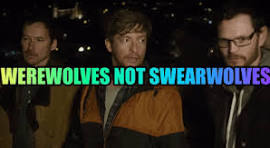
Some silly, fun work from New Zealanders Jemaine Clement and Taika Waititi.
Kara Church | Technical Editor, Advisory | Technical Publications
Pronouns: she/her | Call via Teams | jackhenry.com
Editors Corner Archives: https://episystechpubs.com/
 Editor's Corner
Leave a comment